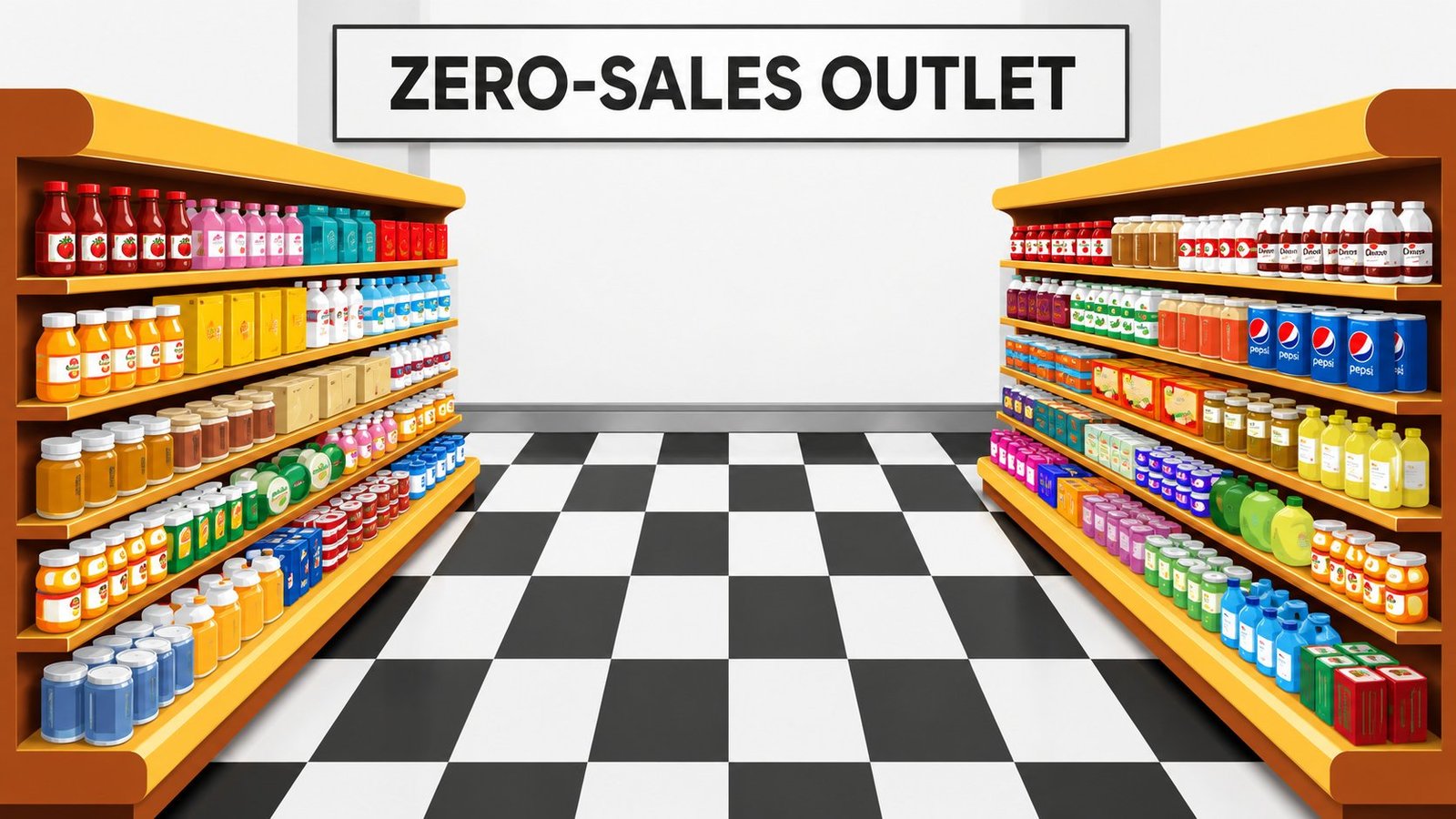
The Fast Moving Consumer Goods are the 4th largest sector and also the fastest growing sector in the Indian economy — of which 19% is contributed by food and beverages, 31% by healthcare, and about 50% by household and personal care.
The FMCG sector is fast growing, and the revenue which stood at $52.75 billion in FY 2017-2018 is expected to go up to $103.7 billion by 2020.
Keeping in mind the wide variety of target outlets across geography, tough competition, introduction of new products, and the merger of companies — a company needs to push for offtake of its product, and ensure that its products and services are available across all potential outlets.
The strategy that works for one outlet may not work for another. So outlets need to be classified based on performance:
- Regular Outlets
- Key Outlets
- New Business
- Zero Outlets — outlets where sales have dropped from past records
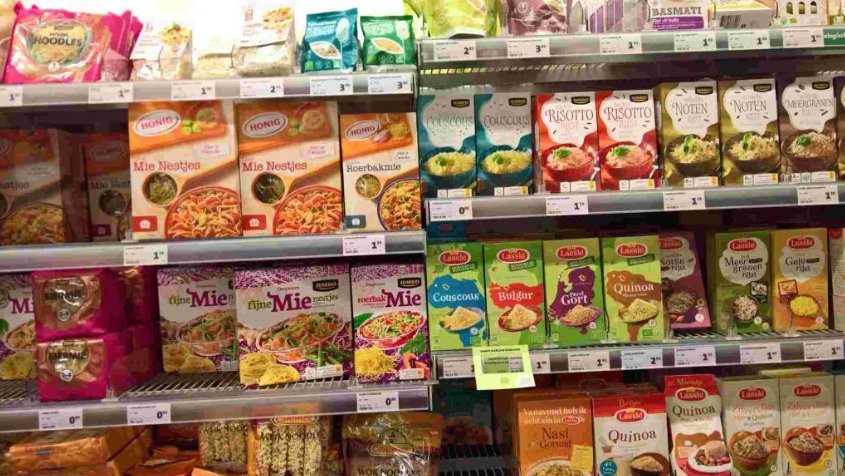
What's going wrong with most FMCG Salesmen?
Assume there are 3 different national-level companies from 3 different industries:
| Industry | No. of Outlets across India | Frequency of Visits per month |
|---|---|---|
| FMCG | 10,00,000 | 4 |
| Construction | 50,000 | 1 |
| Electrical Appliances | 2,00,000 | 2 |
Focus on the FMCG company. On average, 1 person from the sales team (call him A) can handle 500 outlets for secondary sales — requiring 2,000 salesmen to manage 10,00,000 outlets. With 25 working days a month:
| Scenario | Visits per outlet / month | Outlets covered per day |
|---|---|---|
| 1 | 1 | 20 |
| 2 | 2 | 40 |
| 3 | 3 | 60 |
| 4 | 4 | 80 |
In reality, A would be required to visit only a few outlets 4 times a month for efficient sales while others just once. Out of the 500 outlets, assume:
| Category | Number of outlets | Frequency of order |
|---|---|---|
| P | 50 | 4 times / month |
| Q | 200 | 2 times / month |
| R | 200 | Once / month |
| S | 50 | Once in 2 months / more |
Finding the Solution
According to a study by Tata Strategic, a salesman covers an average of 40 outlets a day on a weekly coverage frequency and around 240 outlets a month. However, this coverage norm has remained unchanged despite changes in outlet density, information technology and means of transportation.
From experience, on an average only 2 hours a day is effectively used as productive hours by a salesman. FMCG salesmen today spend at least 10-15% of their time in order entry, EOD reports, attendance, morning meetings and travel — and about 30% in traveling between outlets and from one area to another.
Eliminating these unproductive hours can increase productivity by up to 50-60%.
Identify Key Outlets
If A decides to visit all outlets four times a month, he will be wasting time on outlets that aren't productive. He should be able to identify key outlets backed by data and allocate visit frequency accordingly.
Increase the frequency of visits to key outlets
Visit outlet P four times, outlet Q twice, outlet R once — leading to a productive call.
Make visit plans in accordance with sales
Make the daily visit plan based on outlets with the highest probability of sales.
Identify Zero Sales
Identifying zero sales is one of the most significant — yet most ignored — activities in sales. An outlet can be classified as a zero sales outlet for various reasons. Identifying them can help a salesman turn these outlets into key outlets.
Reasons for Zero Sales
Stock-outs
With cutthroat competition today, consumers can easily be persuaded to replace their preferred brand. If A is selling biscuits and the retailer doesn't care about brand — as long as he has biscuits in stock, he may not order from A. A has to put in additional effort to get his biscuits on the retailer's shelves.
Better Incentives from Competitors
Retailers might be getting better offers, schemes or incentives from competitors. While MRP remains similar, retailers naturally stock the products more beneficial to them. If these outlets can generate more sales, A should customize offers / schemes — without the One-Scheme-For-All approach.
Assumption by Salesmen
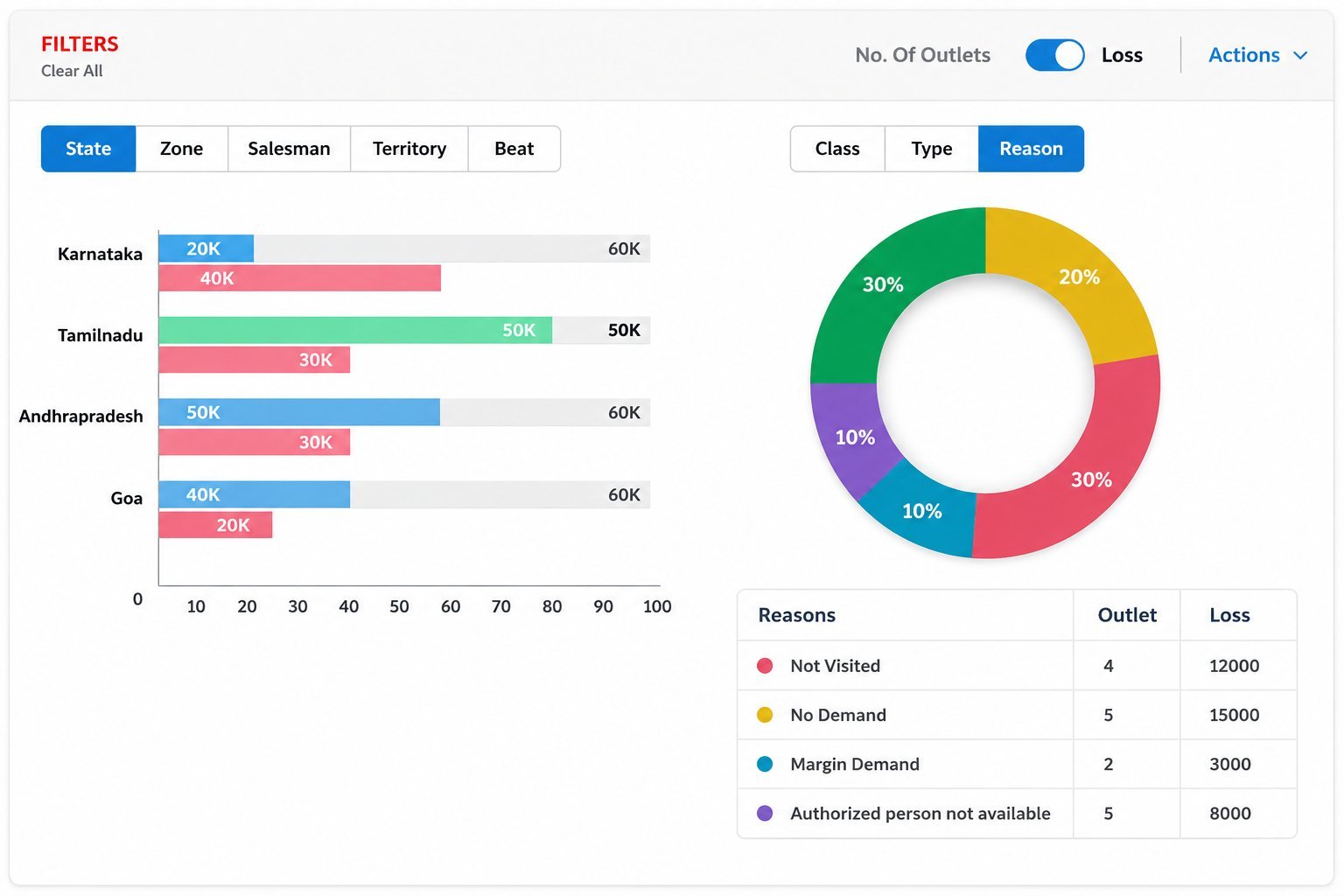
Making a decision not backed by data can be very harmful. A retailer not placing an order throughout the month can lead to an assumption that he may not order next month either. Instead, the situation should be analyzed — and since no orders were placed previously, these outlets become priority key outlets for this month.
Conclusion
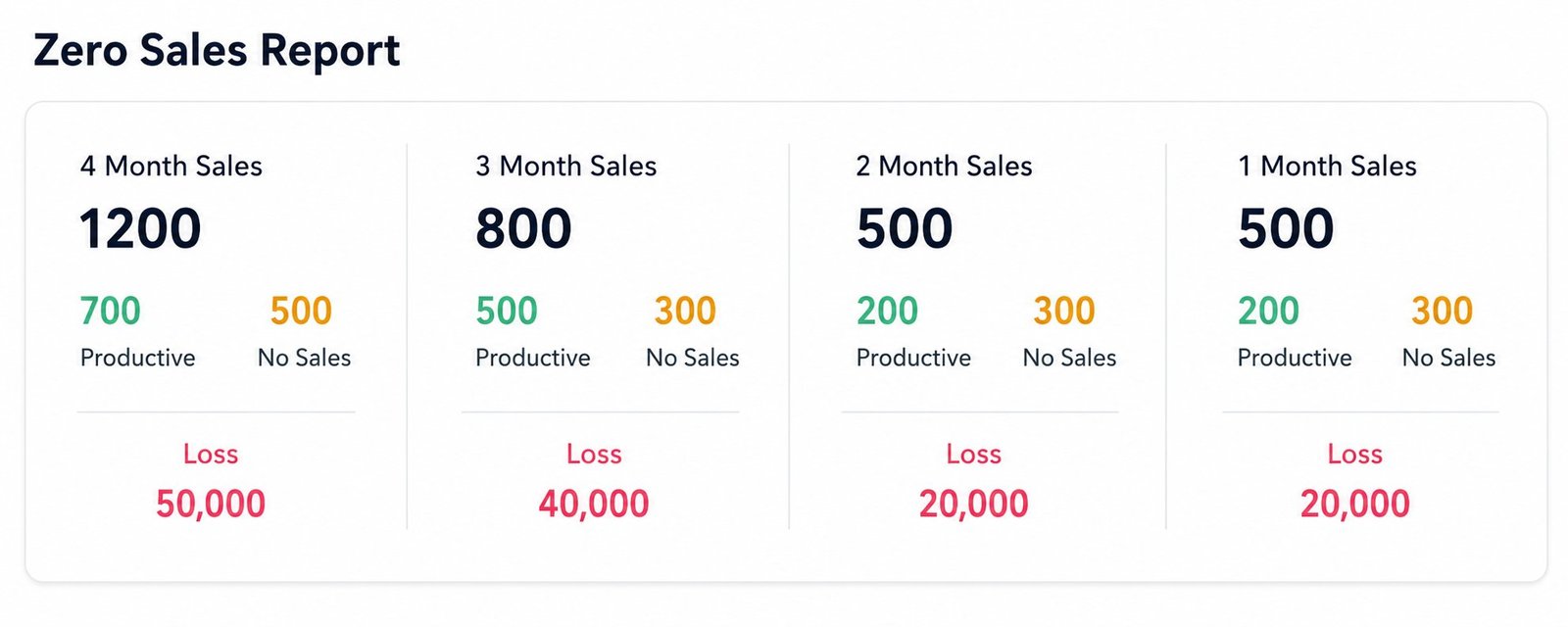
Identifying key outlets and turning unproductive hours into productive ones — although it might have seemed like an impossible task a decade ago — is just a few steps away today. With digital transformation and improvements in transportation, it doesn't make sense for an FMCG company to still stick to the old method.
SalesDiary is one such automation tool powered by AI which helps you eliminate all unproductive hours with smart features such as Route Management, Order Management, Outlet Classification, Target Scheme and Price Management, EOD reports and many more.
SalesDiary provides you with an overview of zero sales (including reasons) and helps you identify the loss out of them. With these details, you can easily strategize and convert unproductive calls to productive ones.