Perceptive manufacturers are always aware that the quality of their sales efforts directly correlates with how profitable their organization is. For industries such as FMCG, CPG, and F&B — marked by lower prices, slimmer margins and higher volumes — sales might just be the lifeblood that keeps the engine running.
But as players in these markets gear up every day to compete for shelf space, there is one particular factor that tends to determine the extent of their success — Secondary Sales.
What are Secondary Sales?
When a manufacturing company or a national supplier makes a sale to a city / state / region distributor, it is known as Primary Sales. But when a distributor invoices the same product to a retailer, the transaction is known as Secondary Sales. In this step, the company decides the Retailer Landing Price (RLP) which includes the distributor margin.
Secondary Sales team structure
- Sales Reps (SR / TSI): Salaried employee of the company who takes orders from retailers and passes them to the distributor to supply. Also referred to as Territory Sales Incharge.
- Distributor Sales Reps (DSR): Employed by the distributors; the company reimburses the salary expenses to the distributor.
- Area Sales Manager (ASM): SR / TSI directly reports to the ASM who overlooks sales targets, achievements and activities set for a particular area.
- Regional Sales Manager (RSM): Responsible for the sale of a business's products or services in a specified geographical region.
- National Sales Head (NSH): Overlooks sales management, budget control, compensation programs and incentive planning in the entire nation.
- Distributors: Independent businessmen who are a part stakeholder for every business conducted in their area. They invest upfront in the inventory bought from the company and supply the goods to retail and wholesale channels.
Importance of Secondary Sales Management
Coverage and Placement
For instance, a distributor or salesman might be covering 500 outlets in a city for a particular range of products. But a particular product X might be placed in only 50 outlets in the same city. This instantly opens up the possibility of placing product X in an additional 450 outlets.
Product Availability in Shelf and Adequate Replenishment
Once the product has been placed in relevant outlets and regions, there is always a possibility of it going out-of-stock during instances of high demand. Hence, reorder booking and replenishment cycle must be planned to be consistent.
Product Positioning and Brand recall factor
Placing the product on the shelf in an outlet is only half the story. Managers / marketers need to put efforts towards proper sampling of the product in a way that customers can perceive themselves as its users. This is known as Tertiary Sales which is often taken care of by a merchandiser.
Retailer Relationship and Trust
Every retailer or shopkeeper is a vital influencer in the sales funnel. Trade promotion strategies become extremely important. Companies who have mastered this have proven they endure bad weather more easily.
Product Launches
Companies often launch new products. While some take off and are successful, others fail. An effective Secondary Sales Management strategy navigates through such issues by delivering a reliable channel of sales.
Best Practices to Boost Secondary Sales
1. Effective Sales Planning
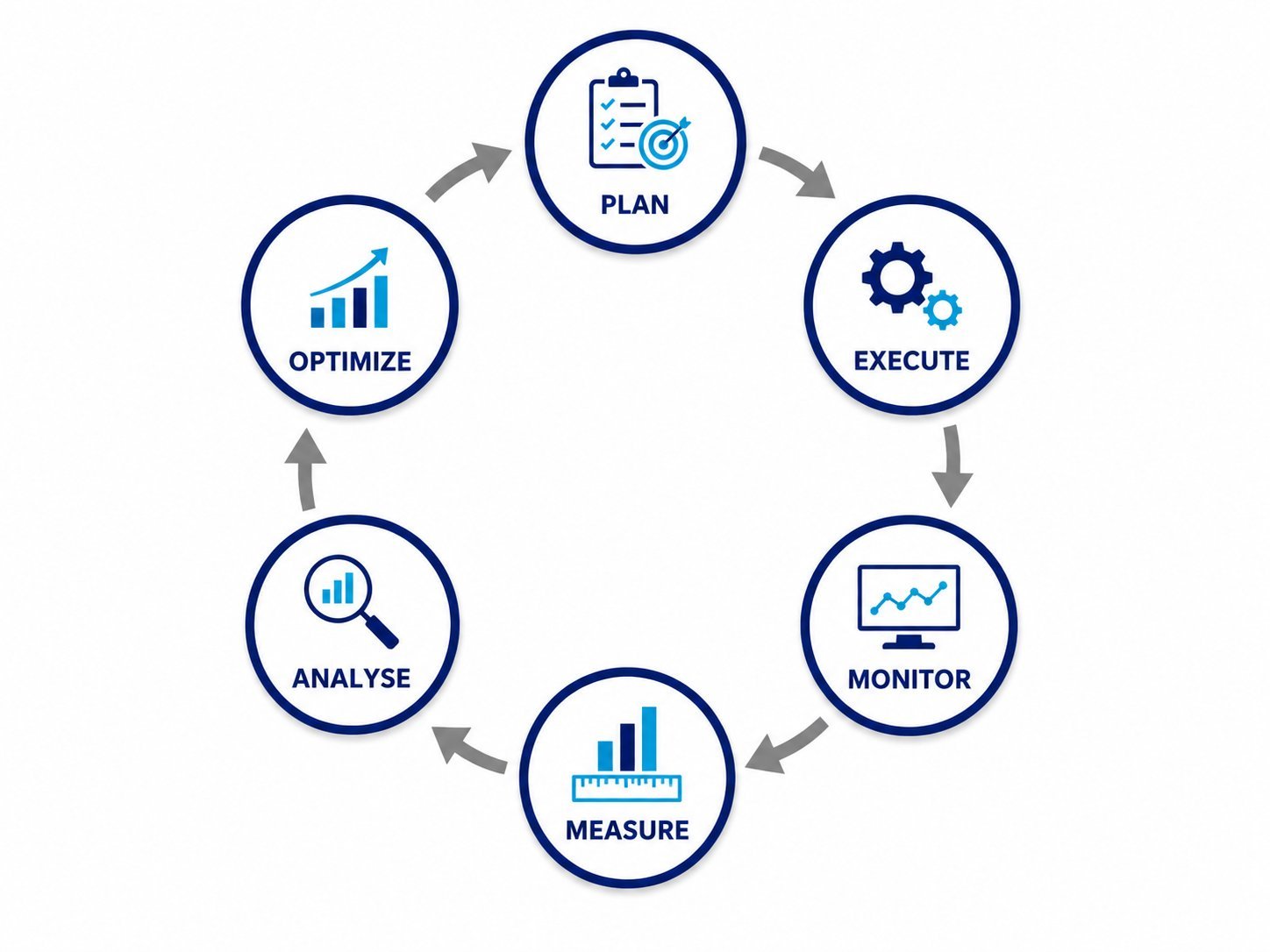
- Daily, weekly and monthly target setting for secondary sales and primary sales reps
- Outlet classification based on business potential of each, while focusing on key outlets
- Route planning and prioritization on the basis of potential business
- Planning optimal time and resource allocation in the market
- Planning take-off activities that boost business and market penetration
- Regular review meetings and handing out respective improvement areas for reps
- Daily / weekly on-field team meeting (gate meeting) before start of workday
2. Product Knowledge & Effective Sales Call Process
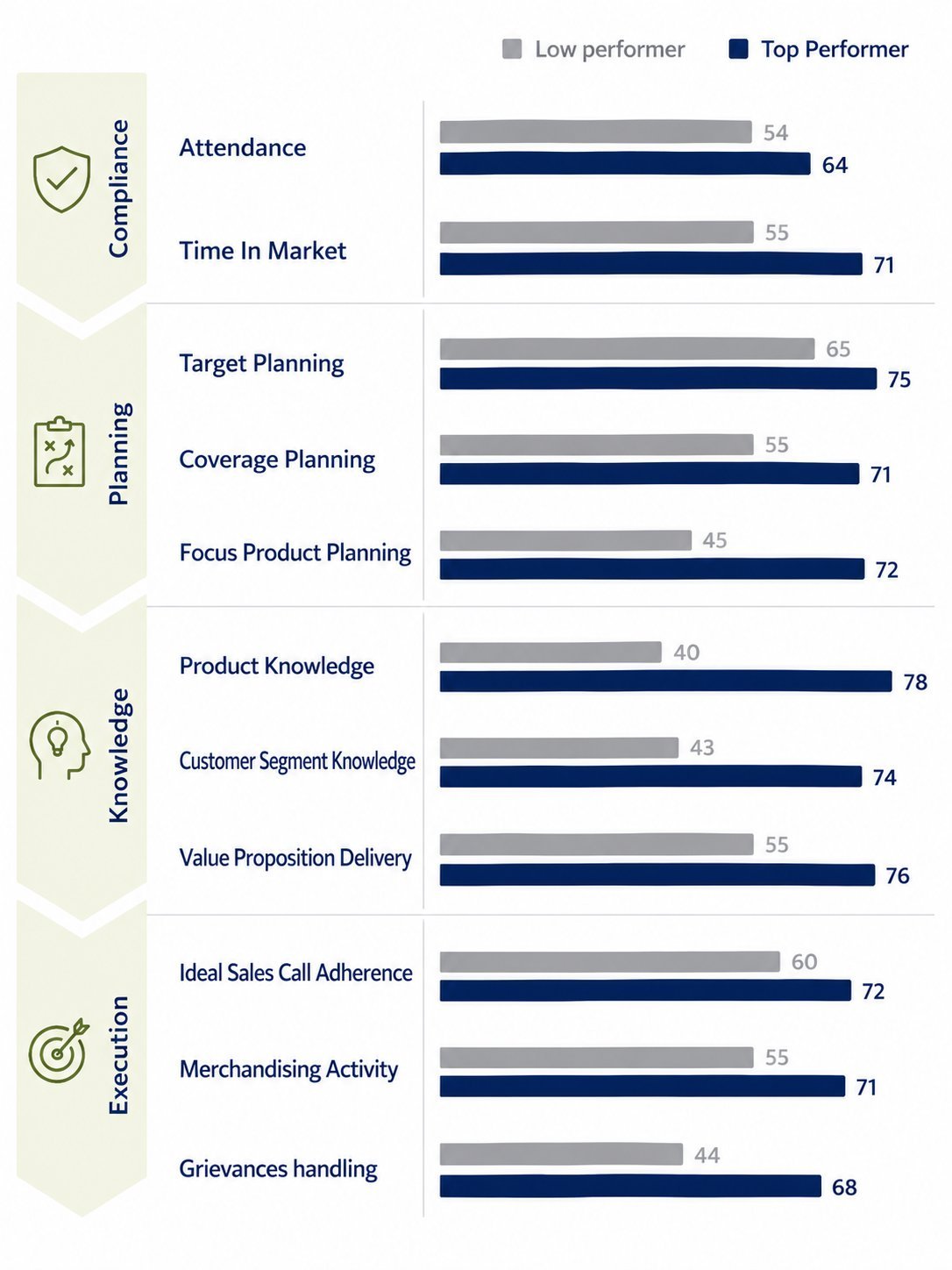
Our research reveals product knowledge to be the biggest driver when it comes to closing the gap (11 skill points) between low and high sales performers. Ensure training material covers pricing structure, styles / colors / models, history of the brand, manufacturing process, steps to use, distribution and delivery, servicing / warranty / repair, and demonstration tips.
3. Artful Product Placement
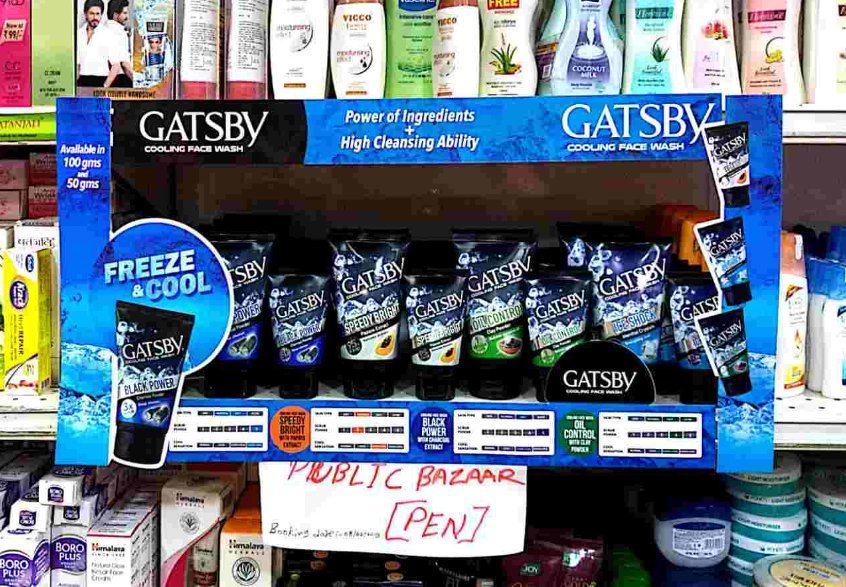
- Define ideal in-store design elements that match the characteristics of the products
- Ideal eye-level or elevation placement for maximum sales probability
- Define ideal number of products of the same brand placed at once
- Product segmentation, assortment and market strategies based on geographical, economic, demographic and psychological factors
4. Understanding and Serving Customers
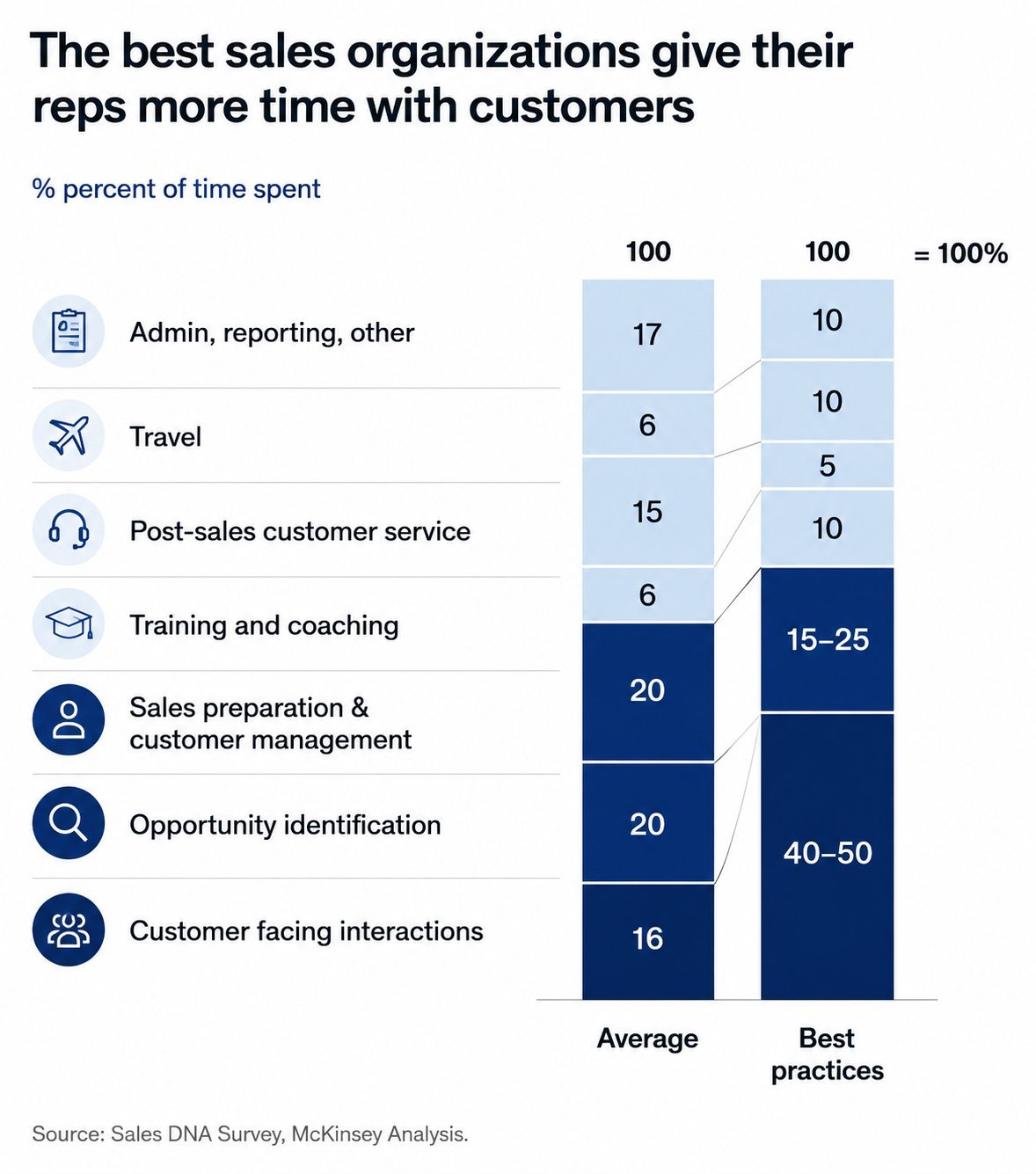
Types of accounts organizations should segregate:
- Key Accounts: Top performers with maximum sales metrics
- Active Accounts: Other accounts with significant sales metrics
- Low Sales Accounts: Accounts with below-par sales and metrics
5. Optimal Marketing & Merchandising
Sales reps should help distributors and retailers ramp up their sales efforts through compelling and eye-catching campaigns. A/B test campaign ideas in collaboration with distributors before going all in.
6. Trade Promotions
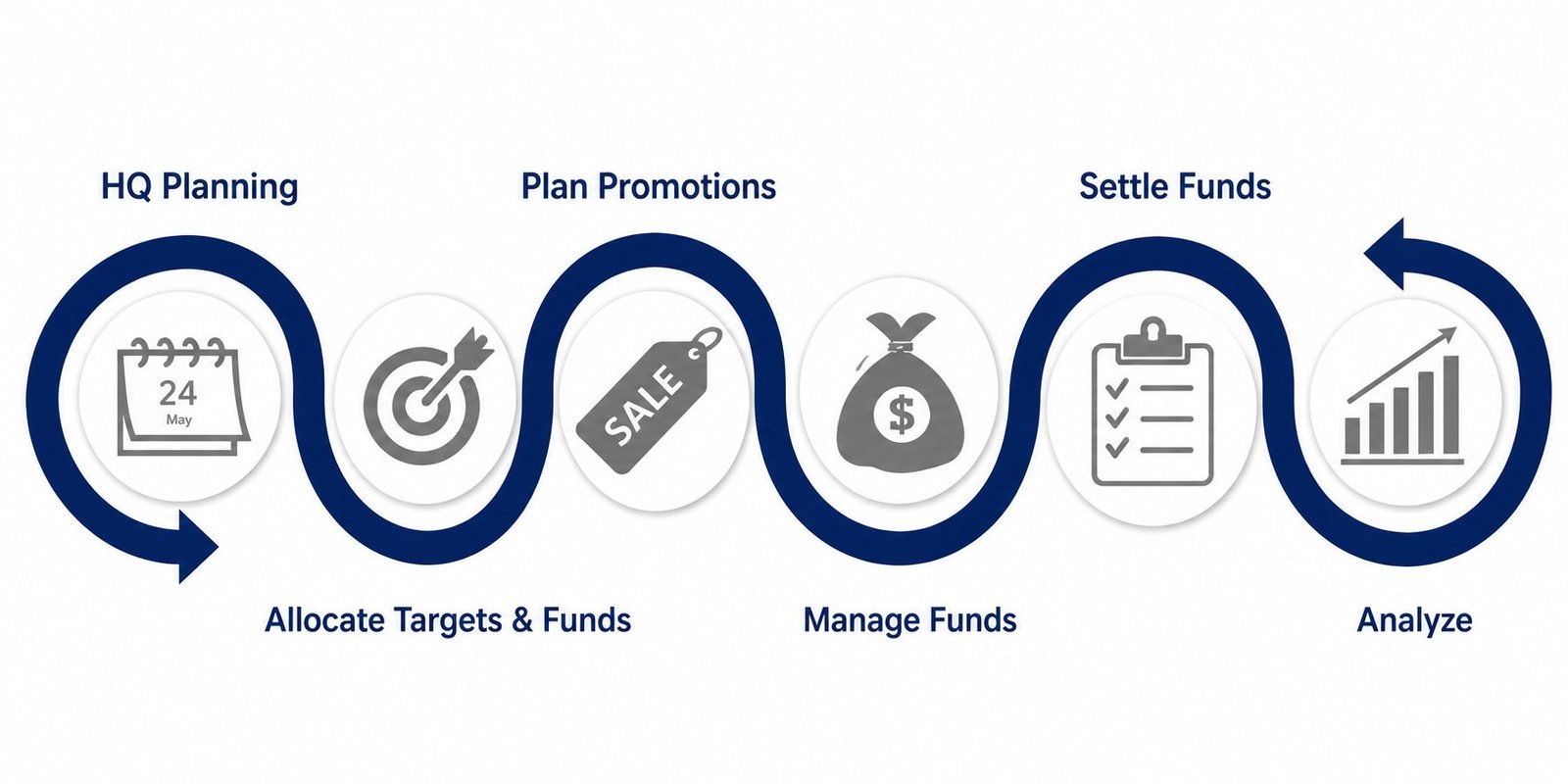
- Unique Offers: Special offers and discounts to new and regular buyers throughout the supply chain
- Incentive Program: Product launch strategies based incentive programs that benefit distributors and retailers
- Purchase Allowance: Reduction in total amount of products bought in exchange for higher sales quantities
- Buyback Allowance: Agreement to reimburse for products that could be pushed through the market
7. Defining & Tracking KRAs
KRAs (Key Responsibility Areas) need to be SMART — specific, measurable, attainable, relevant and time-bound. Top KRAs include: reduction in loss of man-days, secondary sales targets, maximizing productivity per visit, complaints & issue resolutions, brand merchandising techniques, scheme and discount efficacy.
8. Extending KPI-based Incentives
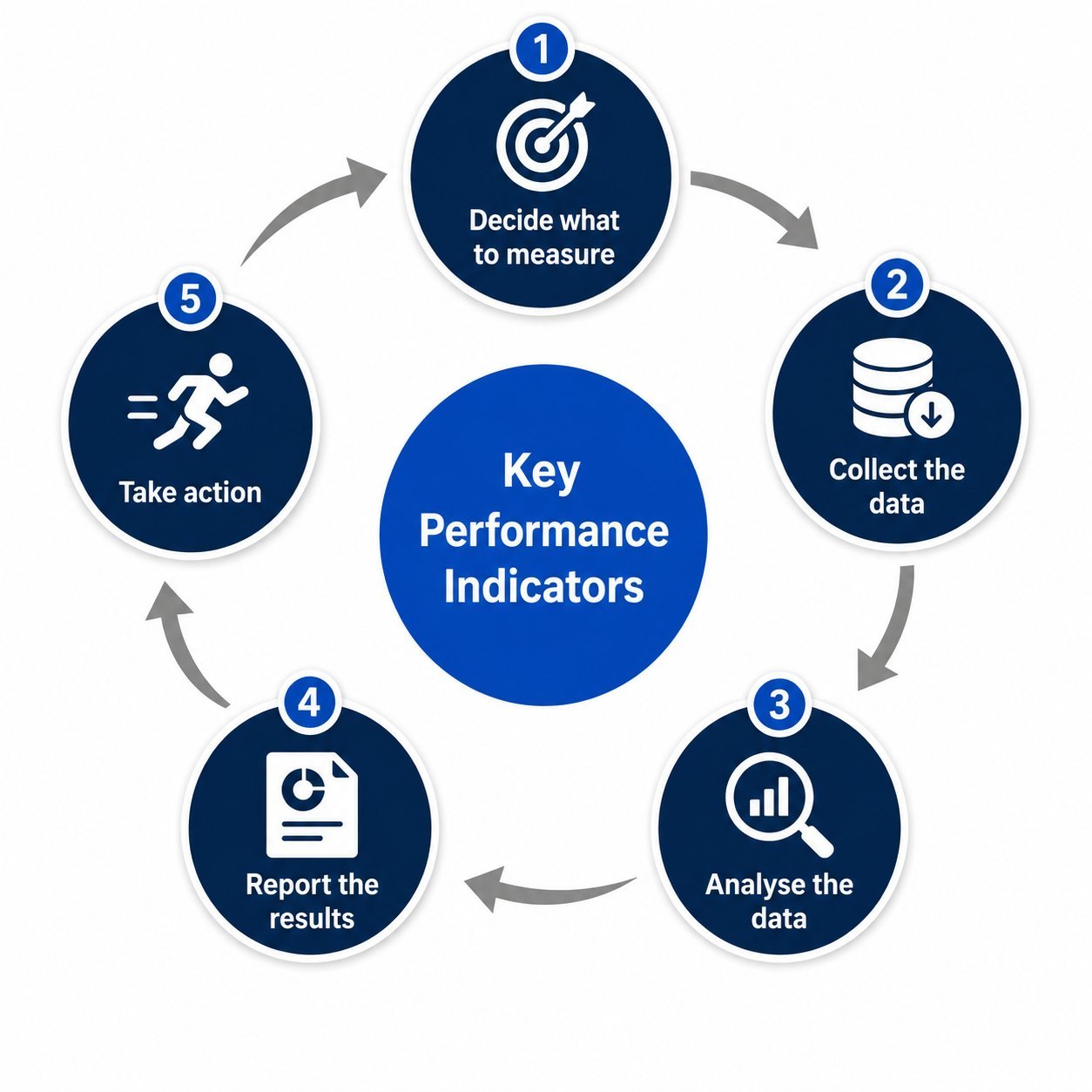
Top KPIs for secondary sales:
- Total Calls
- Effective Calls
- Visited Calls
- Unique Visited Calls
- Productive Calls
- Unique Productive Calls
- Zero Sale Outlets
- Not Visited Outlets
- Target vs Achievement
- Time in Market
- Fill rate
9. People Management & Work Culture, Plus the Right Tools
Encourage employees to work in teams instead of running solo. Don't be too strict with day-to-day micro-management — focus on deadlines and milestones. Empower employees to make decisions on their own. Use the same rules and regulations for every employee.
Sales Performance Management (SPM) tools allow sales reps to oversee performance and training progress through daily sales reports — including provisions for goal setting, feedback, skill development and performance review.
Conclusion
Secondary Sales is one of the trickiest beasts to handle and involves the management of numerous disparate variables — the main side-effect of placing a primary organizational goal in the hands of external agents. But with the above-mentioned practices, Secondary Sales can be potentially turned into a power-house of revenues.