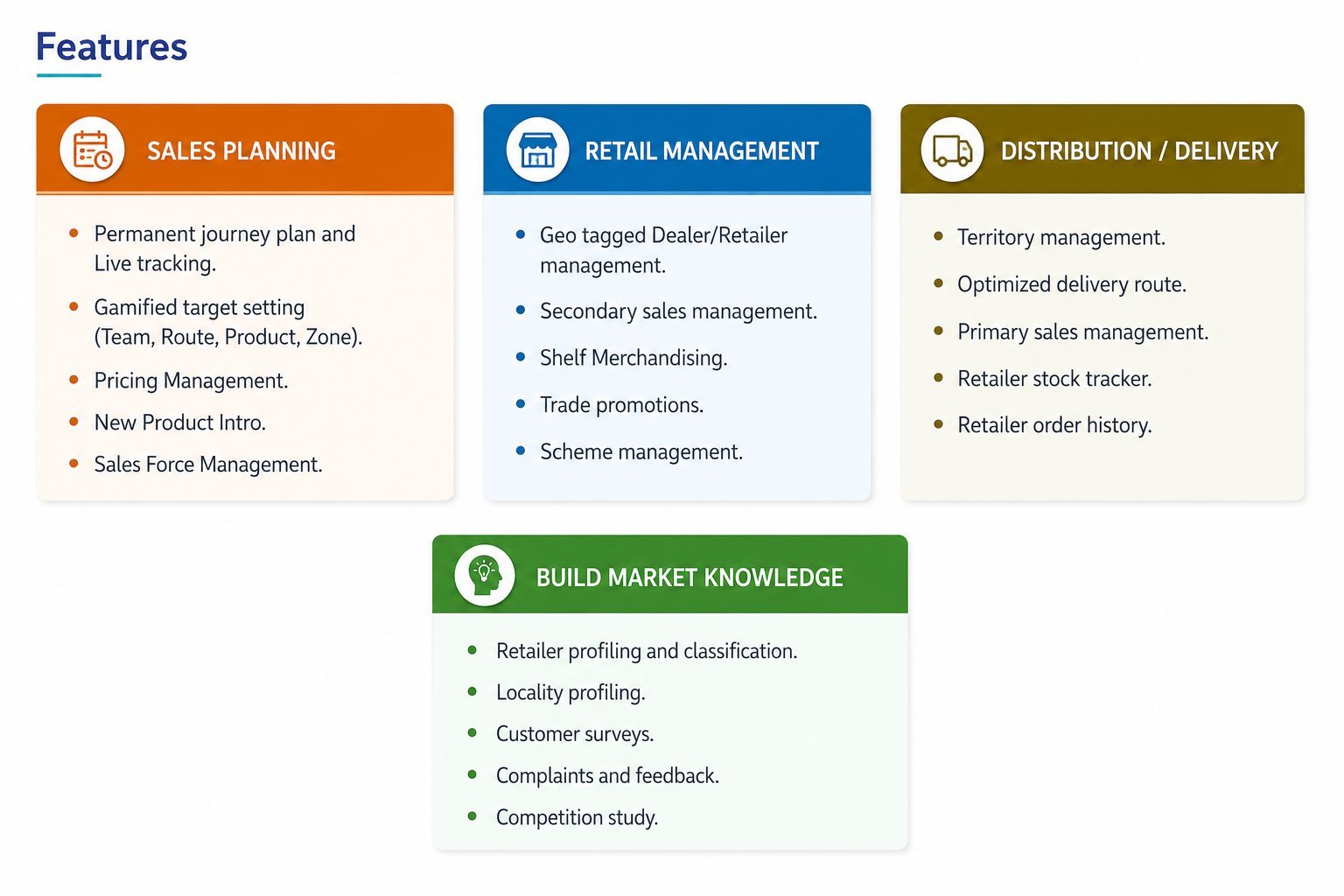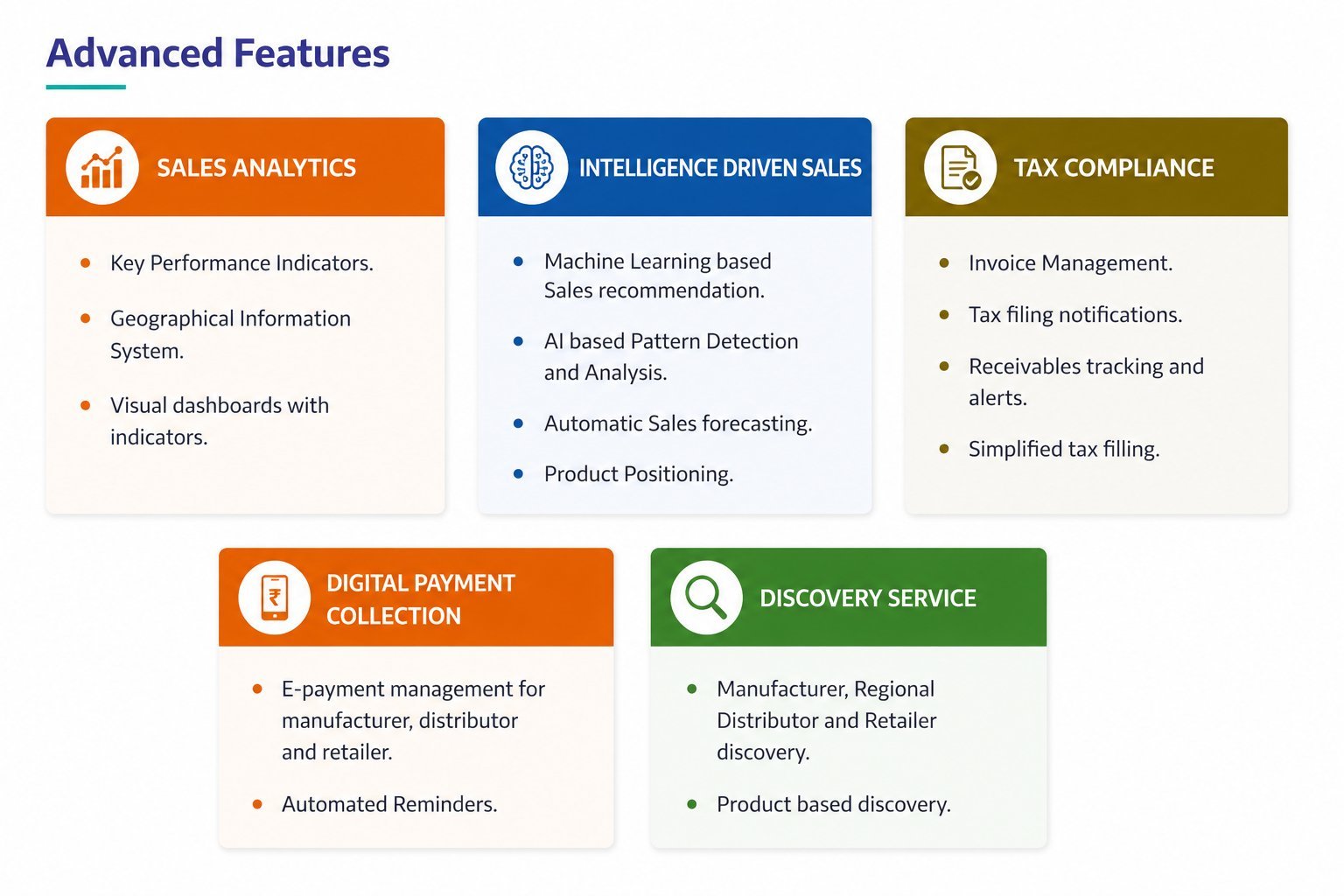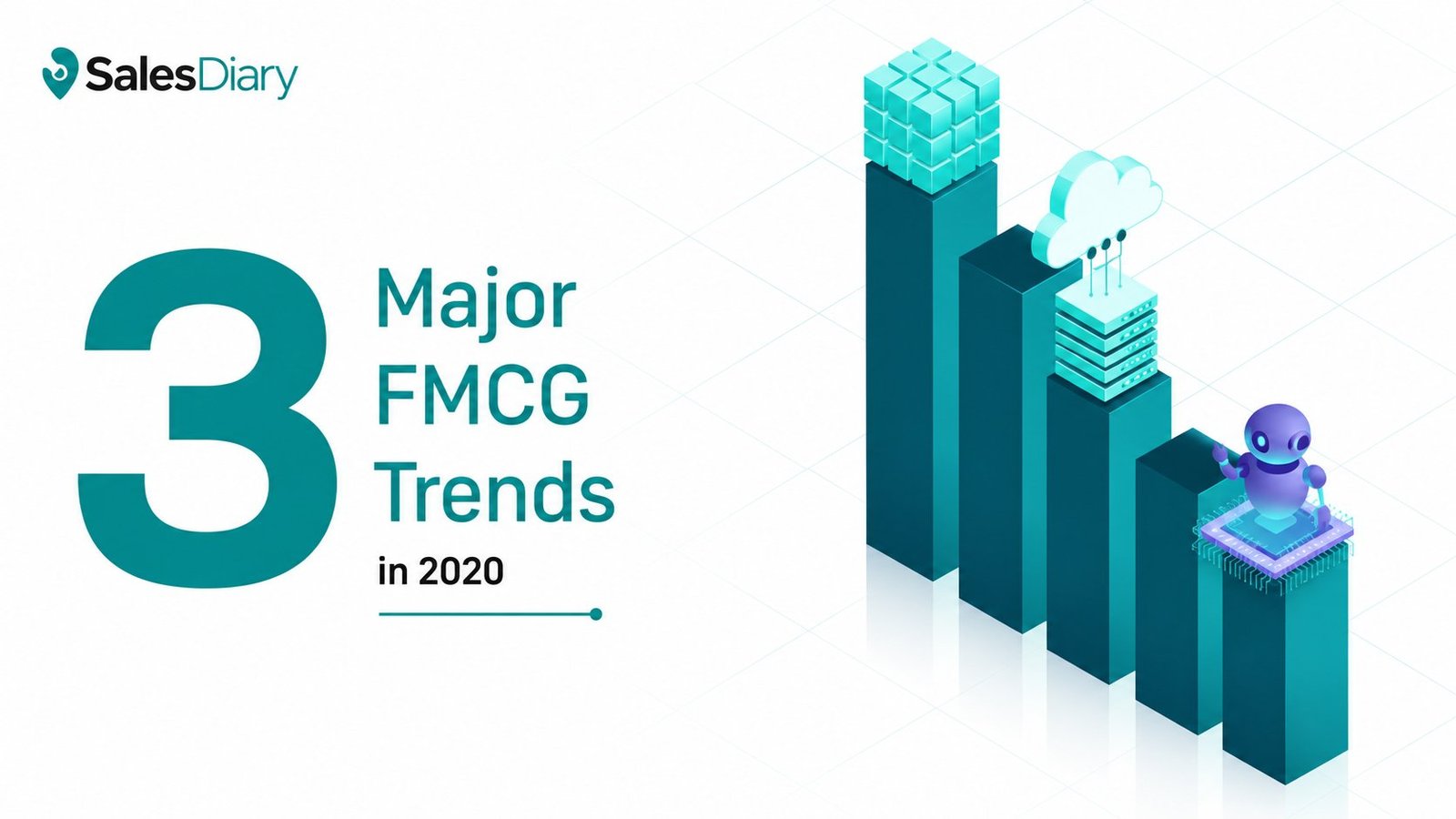
Growing demand in consumer goods has made the FMCG industry the 4th largest sector in India. With a population of more than 1 billion, India is one of the largest economies of the world regarding consumer spending. Since consumer change in demand has a direct impact on the supply side, technology is the key for FMCG industries to survive in this scenario.
1. Data Analytics
Data Analytics is the process of analysing raw data and reshaping it into useful information utilised for decision making. Data Analytics plays a key role in FMCG companies — helping in performance optimisation and reducing cost by providing an efficient way of doing things and storing a large bunch of data.
Types of Data Analytics
- 1Descriptive analytics — gives information about what has taken place for a given period of time. Where has the product been placed? What is the sales turnover for the past two months? How many visits are made by distributors to a particular retailer?
- 2Diagnostic analytics — gives detailed information about the cause of the occurrence of things that happened. Did the route optimisation result in a decrease in delivery cost? Did the retailer scheme management lead to retailer relationship and trust?
- 3Predictive analytics — helps predict what likely can happen in near terms based on past data and analytic techniques such as statistics, AI and machine learning. Based on past customer buying behaviour, sales management will be able to avoid understock or overstock issues.
- 4Prescriptive analytics — provides the best possible solution for a cause or scenario based on available data. With AI and data information about order frequency, outstanding payment, outlet stock — a retail visit can be scheduled and the best possible route suggested.
Advantages of Data Analytics
- Knowledge about customer requirements
- Accurate and faster decisions
- Awareness about risk, opportunity and investments
- Ability to deal with customer change in need
- Performance optimisation and reduction in cost
2. Artificial Intelligence
Artificial Intelligence is a system with the ability to think and work like humans. The goals AI is focused on:
- 1Learning — helps machines learn from experience. Machines act by themselves through learning, increasing performance.
- 2Reasoning & Problem Solving — the ability to reach a conclusion based on the situation, either deductive (certain conclusion from statements / facts) or inductive (conclusion based on evidence with maximum probability of being true).
- 3Perception — machine's ability to become aware of situations through senses such as the ability to see and hear. Autonomous vehicles are one of the best examples of artificial perception.
Advantages of AI in FMCG
- Better customer experience and engagement — AI-enabled chatbots and virtual assistance delight customers across the journey.
- Efficient workflow management — AI monitors from individual level to group-level performance, automating tedious tasks.
- Intelligent warehousing — AI eliminates manual inventory check; the right team can track products in real-time with a single click.
- Smart merchandising — AI-driven merchandising helps predict customer needs before they even know themselves.
- Assortment planning — AI comes up with efficient strategy for the right product pick and the right quantity to meet demand.
3. Cloud Computing
Cloud computing is a technology which provides services to many users over the internet — including data storage, servers, databases, software. It is the best option for business which helps in cost-saving, increased productivity, speed, efficiency and security.
- 1Software-as-a-Service (SaaS) — access and use software applications as pay-per-use over the internet. Examples: Microsoft 365, Google G Suite, SalesDiary.
- 2Infrastructure-as-a-Service (IaaS) — virtualised infrastructure including servers, storage and networking hardware. Examples: Amazon EC2, Google Cloud Platform.
- 3Platform-as-a-Service (PaaS) — both cloud software and hardware infrastructures like middleware and OS. Examples: Bluemix, CloudBees.
Advantages of Cloud Technology
- Backup and recovery
- Information sharing
- Unlimited storage capacity
- Quick deployment
- Optimal resource utilization
- Automatic software integration
With Data Analytics, Artificial Intelligence and Cloud Computing implemented in your organisation, you will become a key player in the FMCG industry.
"The biggest sources of opportunity are collaboration and partnership. And today, with digital communication, there is more of that everywhere. We need to expose ourselves to that as a matter of doing business."
— Mark Parker, CEO, Nike